MEDTECH • 2026
Divertini
Divertini
Designing a companion app that extends Divertini’s AR solution to reduce anxiety and create a calmer healthcare experience for children
Designing a companion app that extends Divertini’s AR solution to reduce anxiety and create a calmer healthcare experience for children
Duration: 3 months
My role: UX/ Product Strategist
Scope: Research, Concept Design, UX Strategy, Interaction Design
Focus: Pediatric healthcare, emotional experience, AR integration
Project context
Divertini is an AR-based distraction solution designed to reduce fear and anxiety in healthcare.
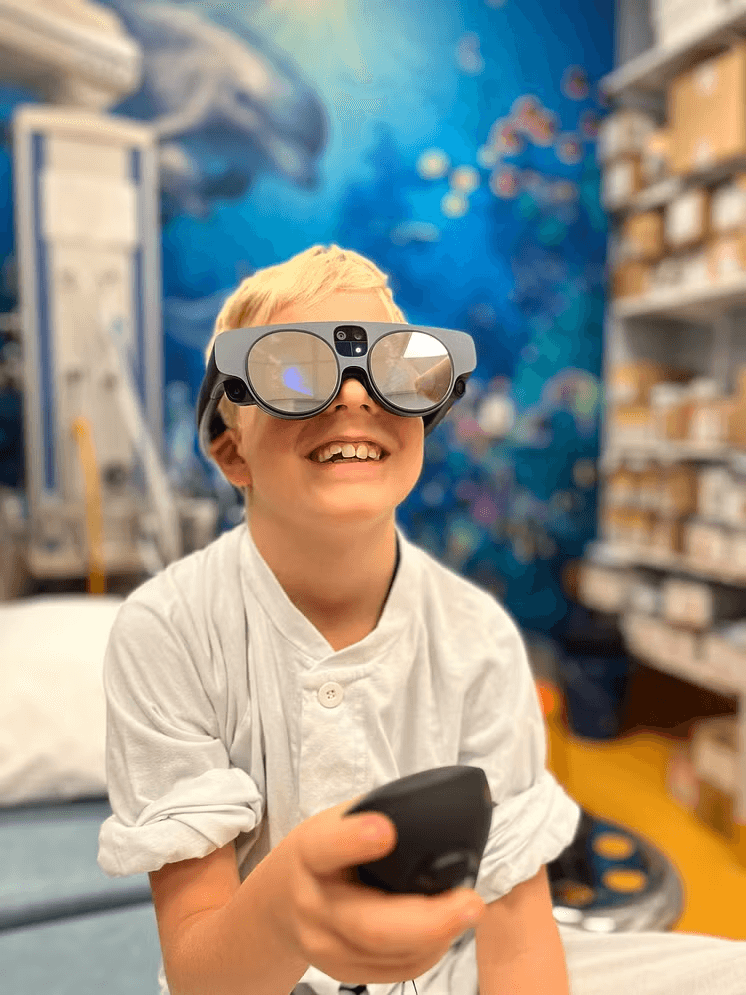
Currently, children can briefly interact with an animated character through games in AR glasses during medical procedures.
Project context
Divertini is an AR-based distraction solution designed to reduce fear and anxiety in healthcare.
Currently, children can briefly interact with an animated character through games in AR glasses during medical procedures.
Challenges
Although Divertini has proven effective during procedures, I got to realize that several challenges prevent it from becoming a standardized solution:
The product is lacking emotional continuity and cohesive storytelling
The hospitals are still relying on traditional physical distraction methods
The product's high cost barrier is limiting scalability
Challenges
Although Divertini has proven effective during procedures, I got to realize that several challenges prevent it from becoming a standardized solution:
The product is lacking emotional continuity and cohesive storytelling
The hospital are still relying on traditional physical distraction methods
The product's high cost barrier is limiting scalability
User's insights
My team's research revealed that anxiety already builds up before the procedure, especially during waiting time, meanwhile:
Waiting areas lack structured engagement
AR support is only available during the procedure.
Increased stress for parents and staff when the children are already nervous.
As a result, procedures become harder to perform.
User's insights
My team's research revealed that anxiety already builds up before the procedure, especially during waiting time, meanwhile:
Waiting areas lack structured engagement
AR support is only available during the procedure.
Increased stress for parents and staff when the children are already nervous.
As a result, procedures become harder to perform.
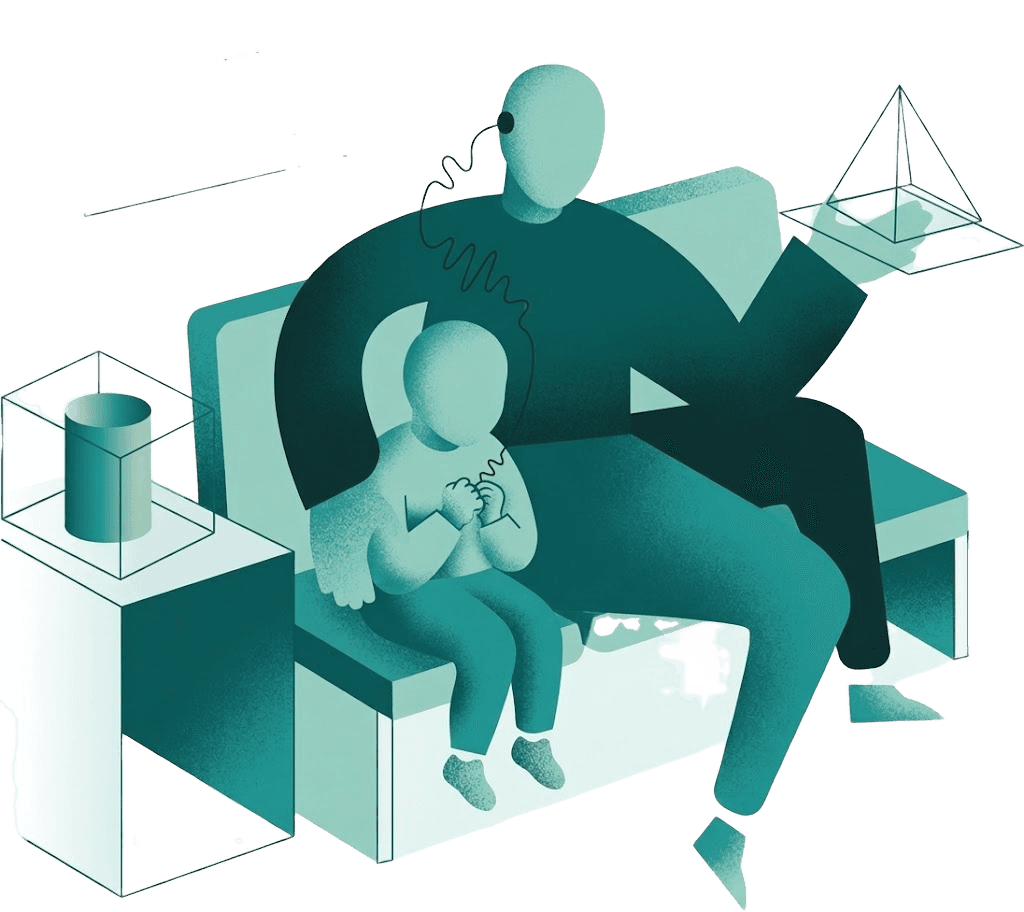
As a parent of a young child who becomes anxious in the waiting room, I want a way to help my child stay calm, engaged, and prepared, so that the healthcare experience feels less frightening.
As a parent of a young child who becomes anxious in the waiting room, I want a way to help my child stay calm, engaged, and prepared, so that the healthcare experience feels less frightening.
As a parent of a young child who becomes anxious in the waiting room, I want a way to help my child stay calm, engaged, and prepared, so that the healthcare experience feels less frightening.
Solving the problem
After identifying the challenges faced by both Divertini and the children in healthcare settings, I, together with the rest of the team, concluded that the most effective solution would be to engage users right in the waiting room. To achieve this, my team would design a companion app that extends Divertini's AR experience beyond the treatment room.
Solving the problem
After identifying the challenges faced by both Divertini and the children in healthcare settings, I, together with the rest of the team, concluded that the most effective solution would be to engage users right in the waiting room. To achieve this, my team would design a companion app that extends Divertini's AR experience beyond the treatment room.
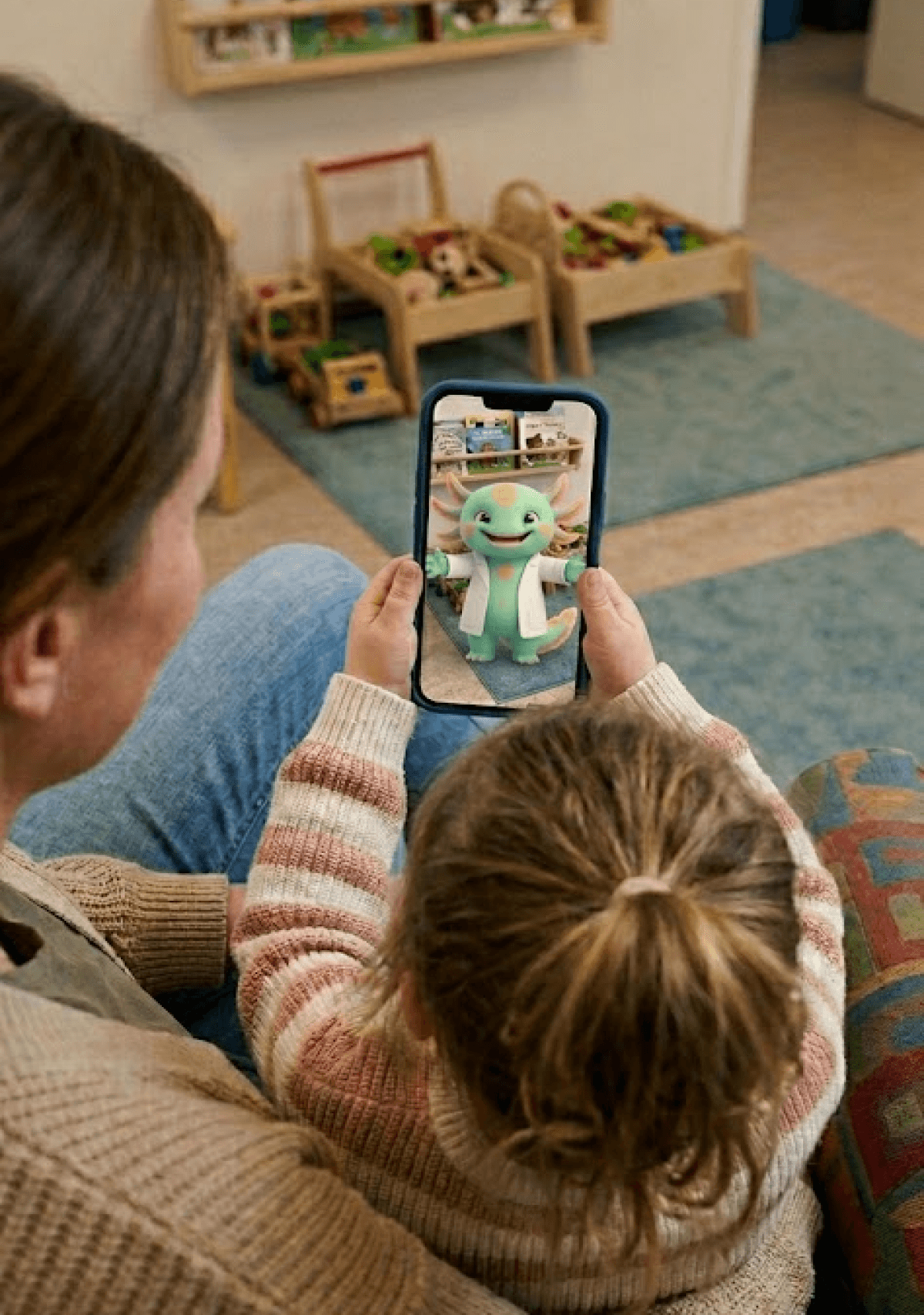
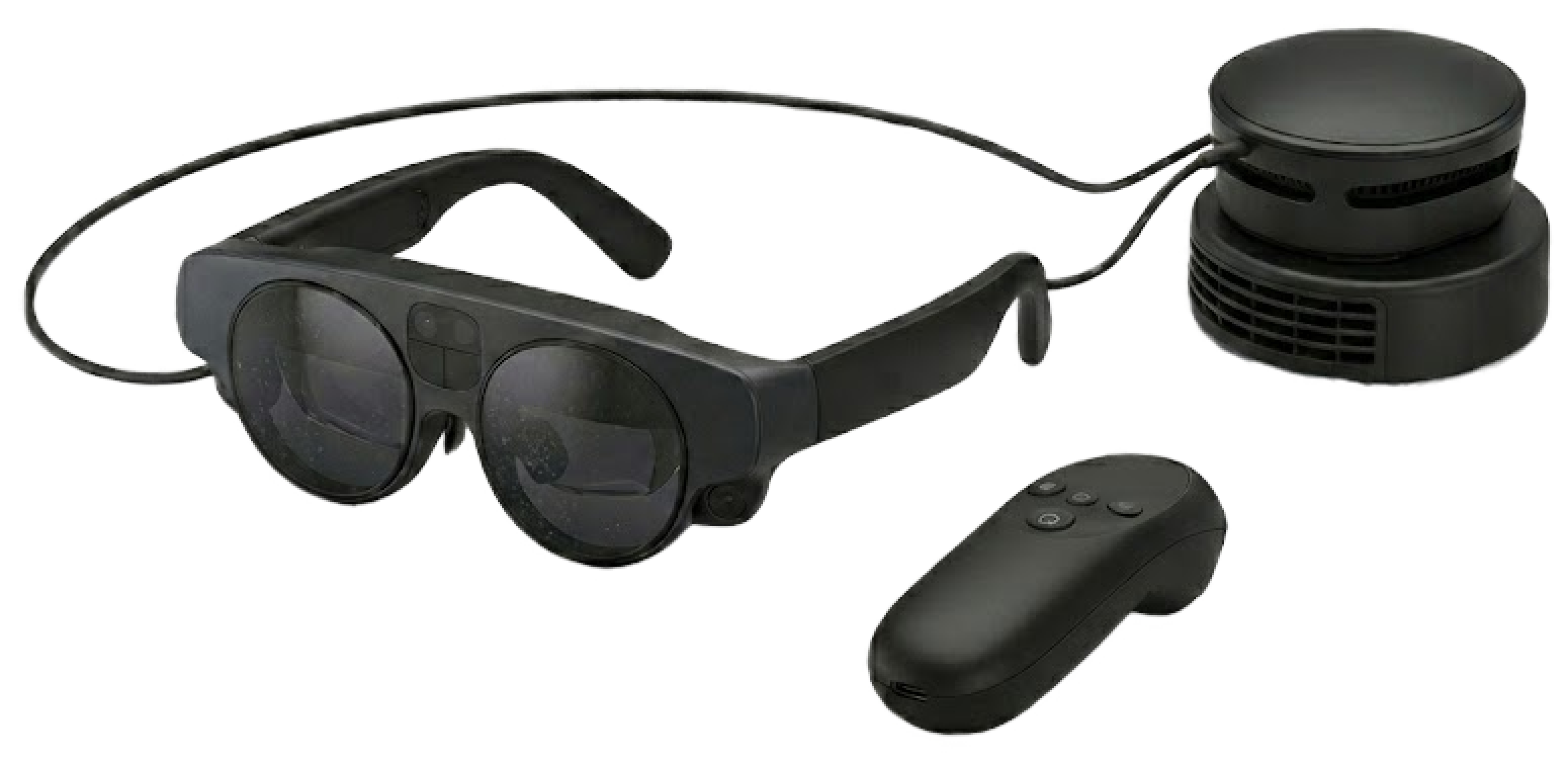

You don’t have to sit in the waiting room restlessly. Instead we will relax and have fun together in the mean time!
You don’t have to sit in the waiting room restlessly. Instead we will relax and have fun together in the mean time!
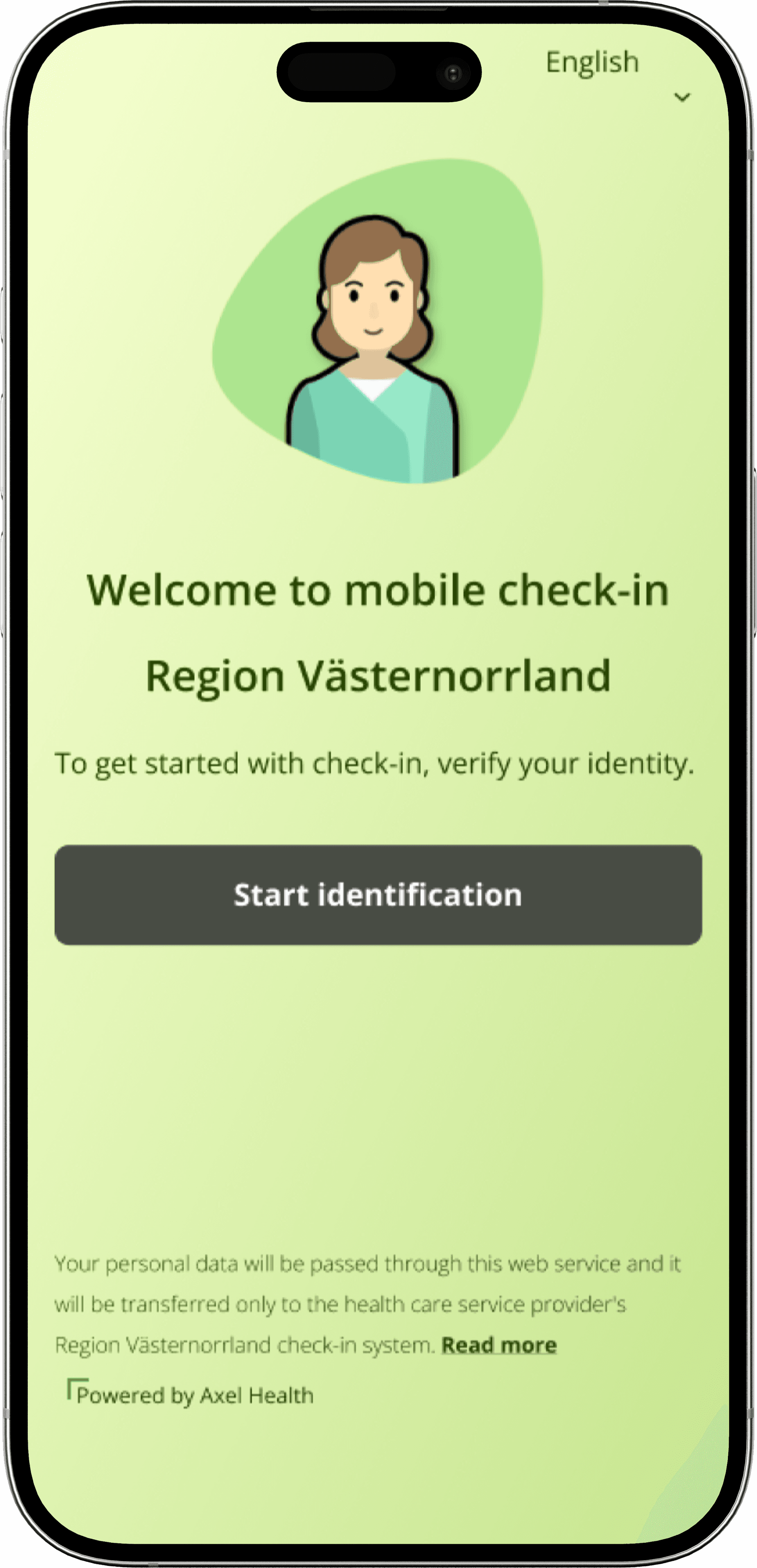
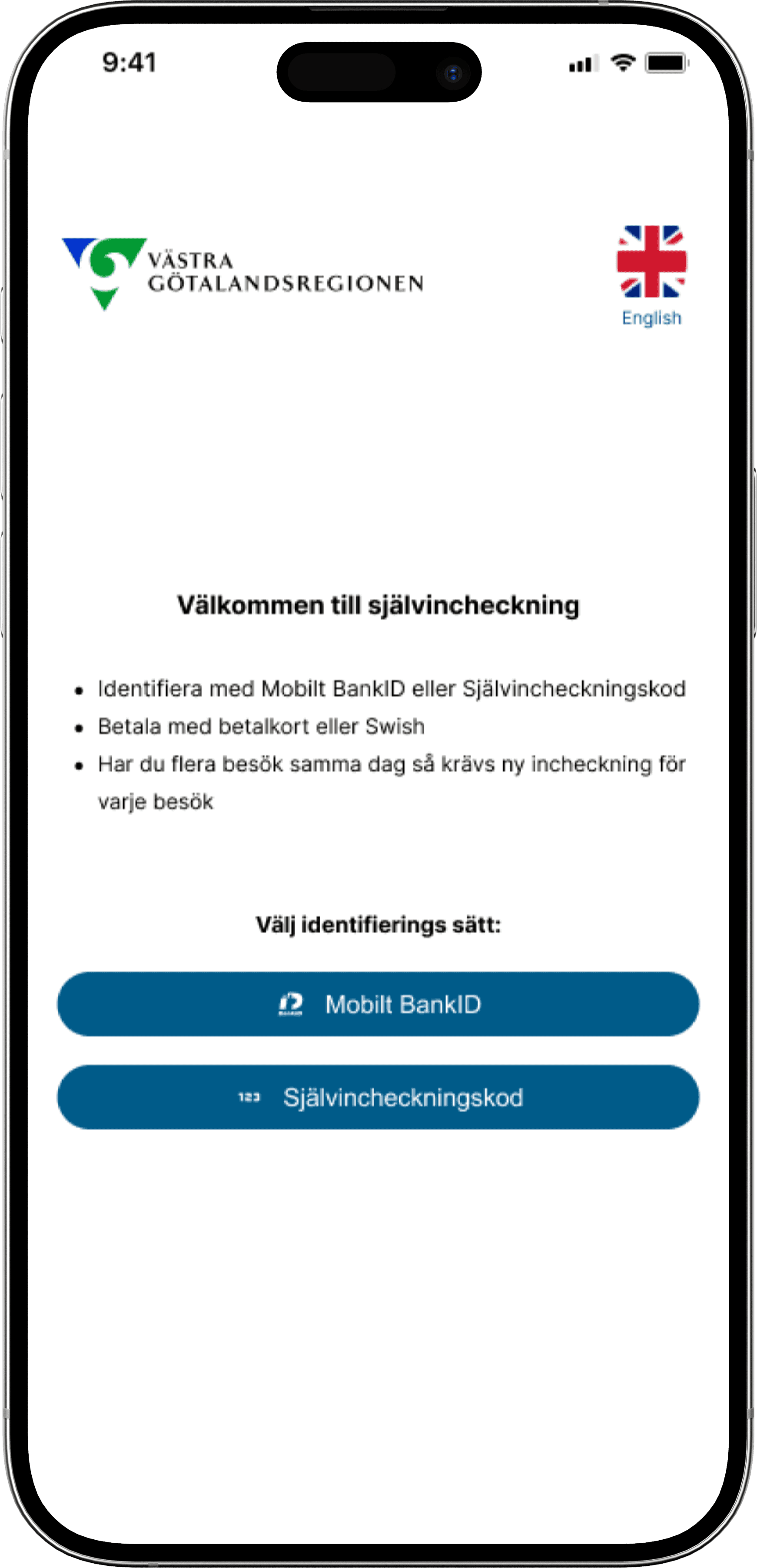
The app is designed to integrate with existing healthcare digital systems, ensuring minimal disruption to clinical routines.
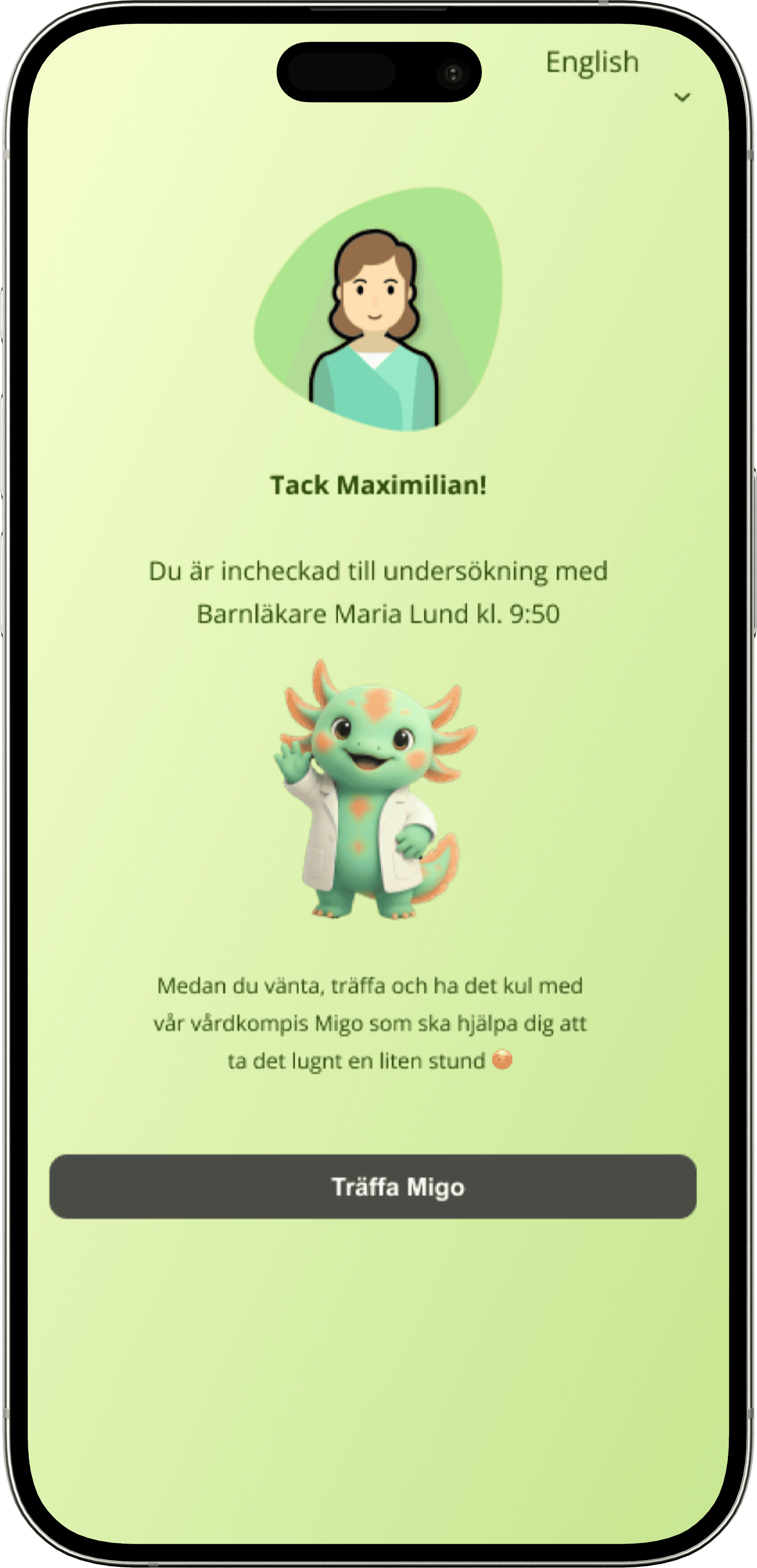
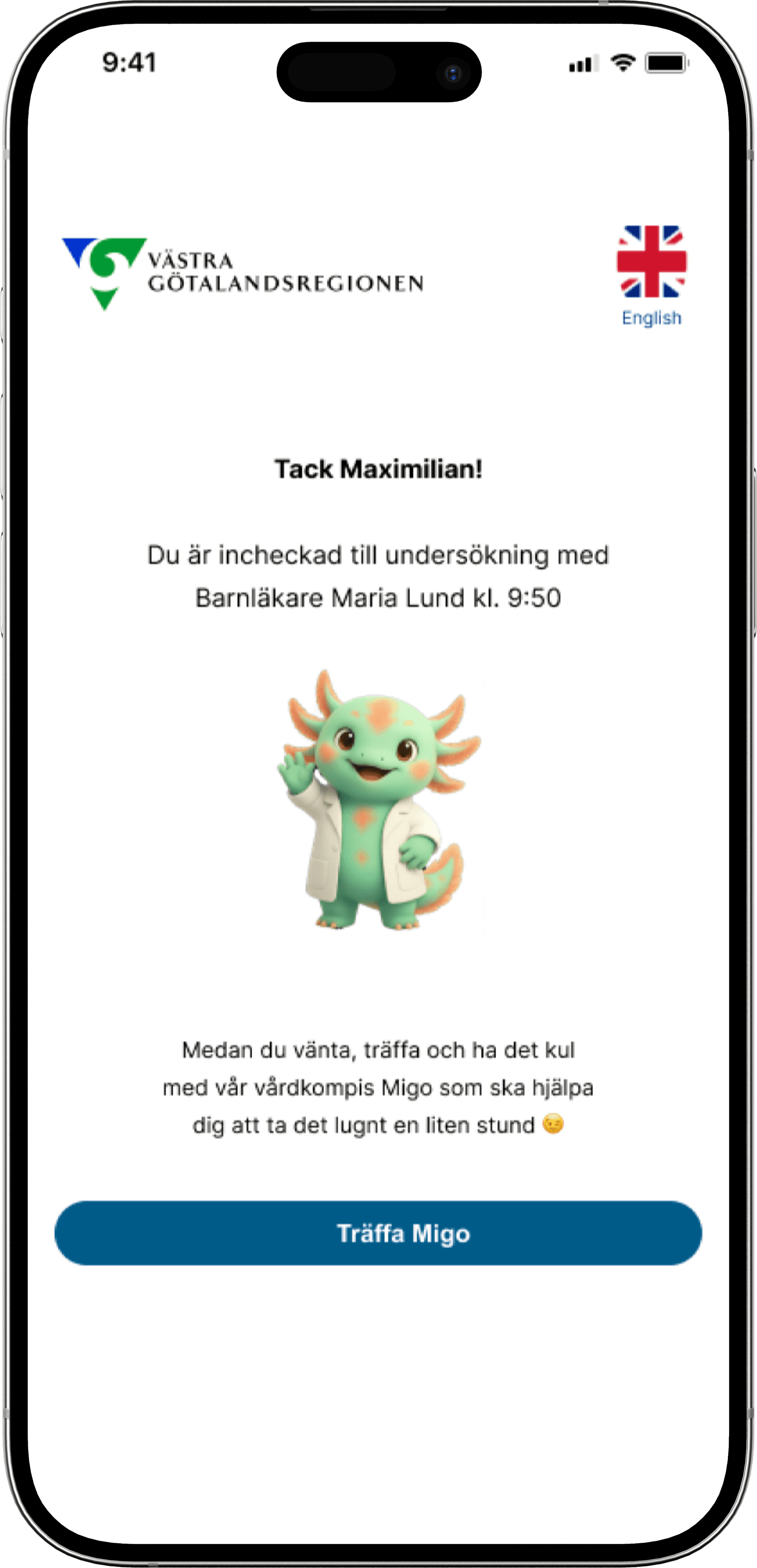
Once a young patient checks in through the provider's digital system, the platform can trigger a notification and initiate the companion experience during the waiting period.
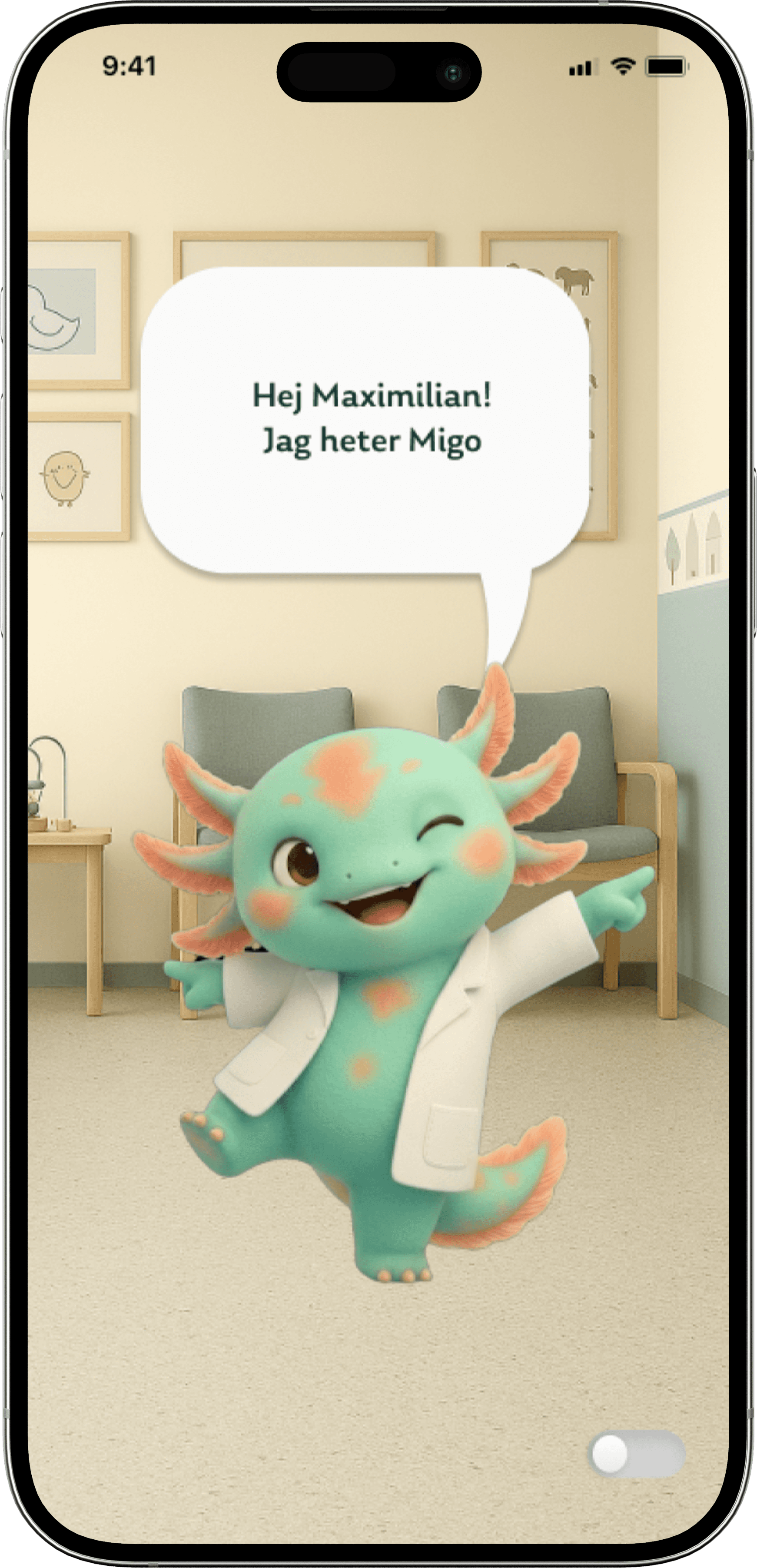
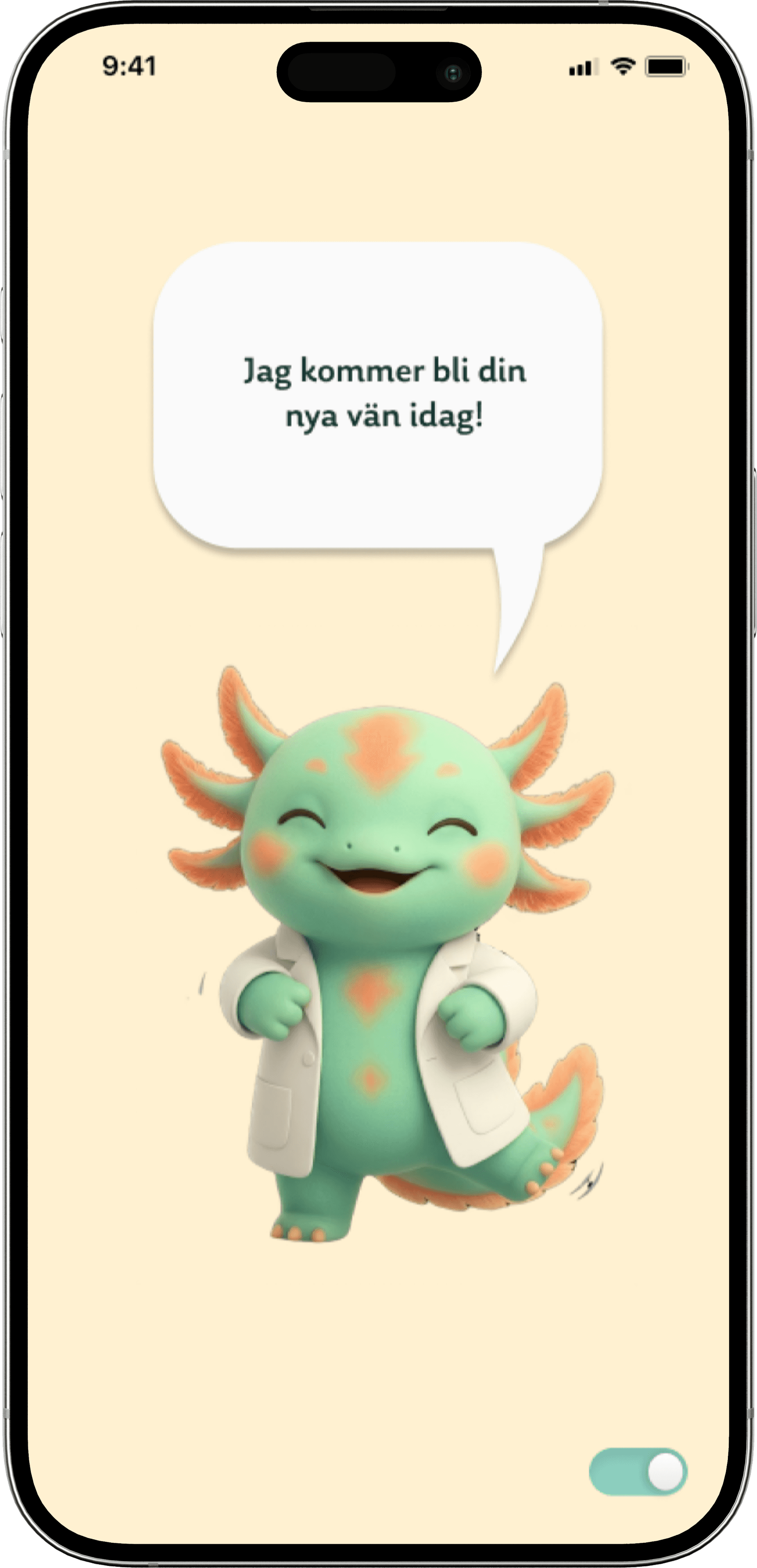
The young patients are greeted by a character in the application named Migo in AR background (optional) as a trustworthy companion that forms an emotional bond with them.
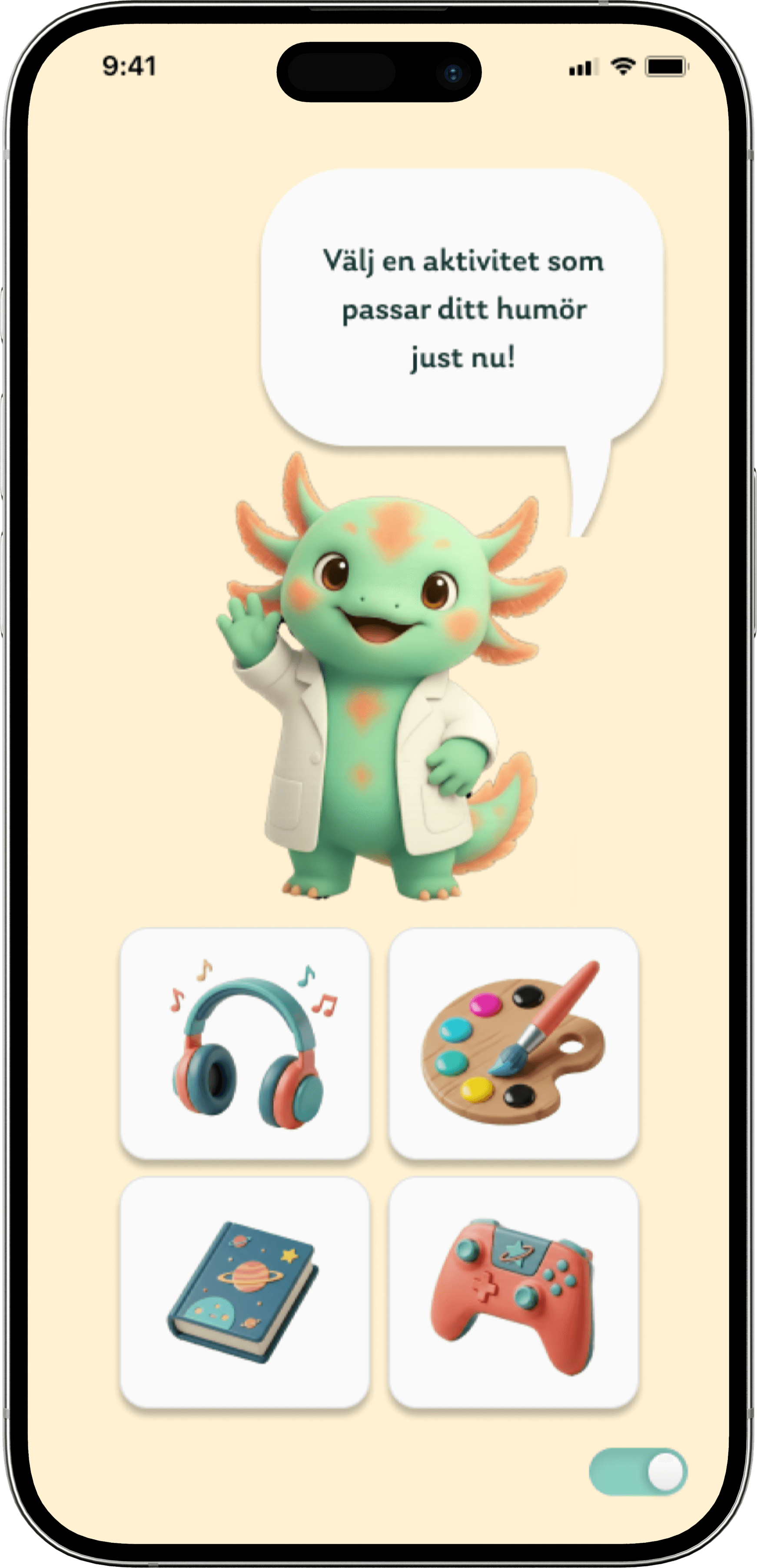
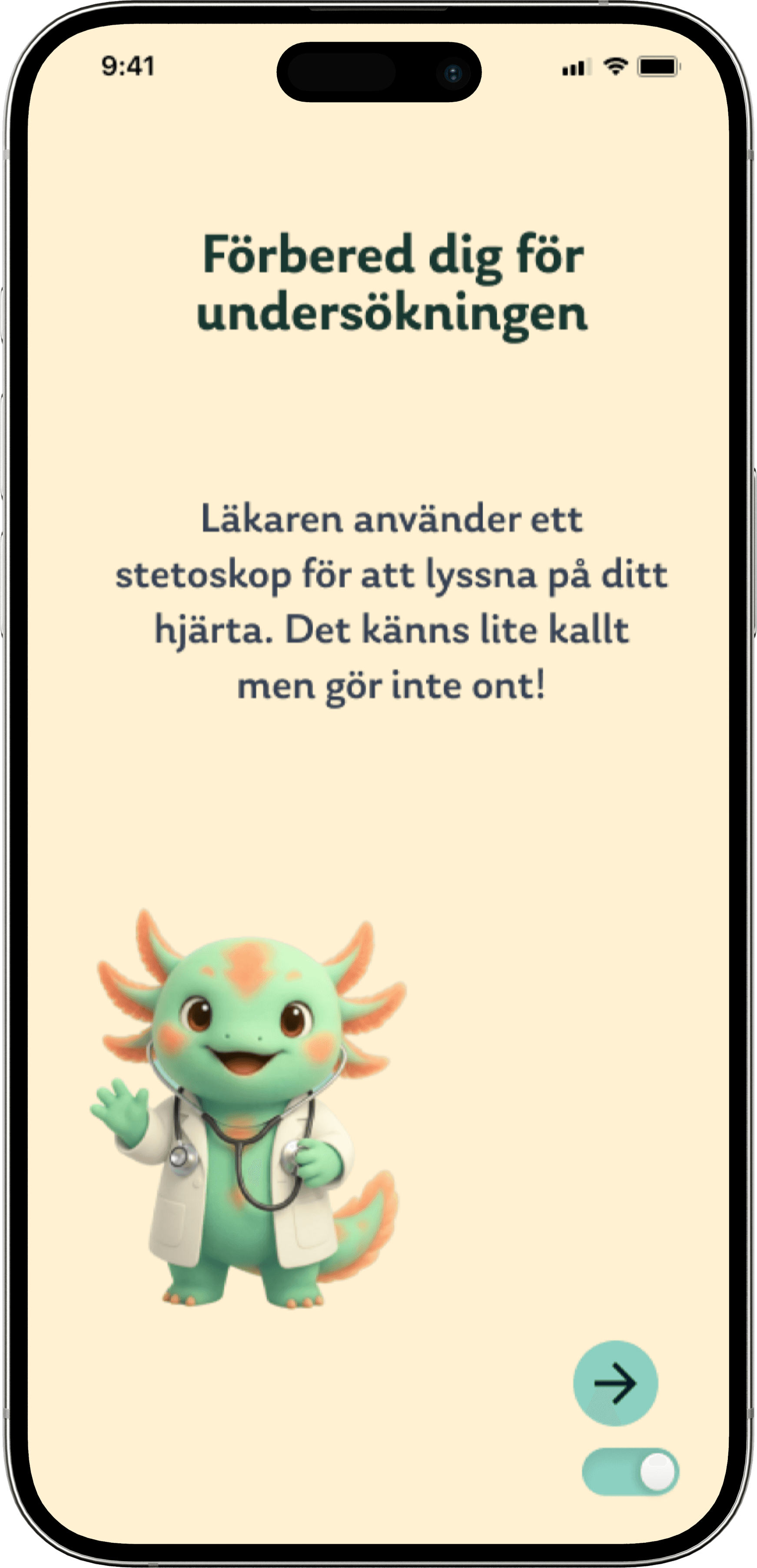
Migo offers a variety of distracting activities in the application, while at the same time mentally prepares for the patients through informative game, where they learn basic procedures in a medical room.
Connection with AR-glasses
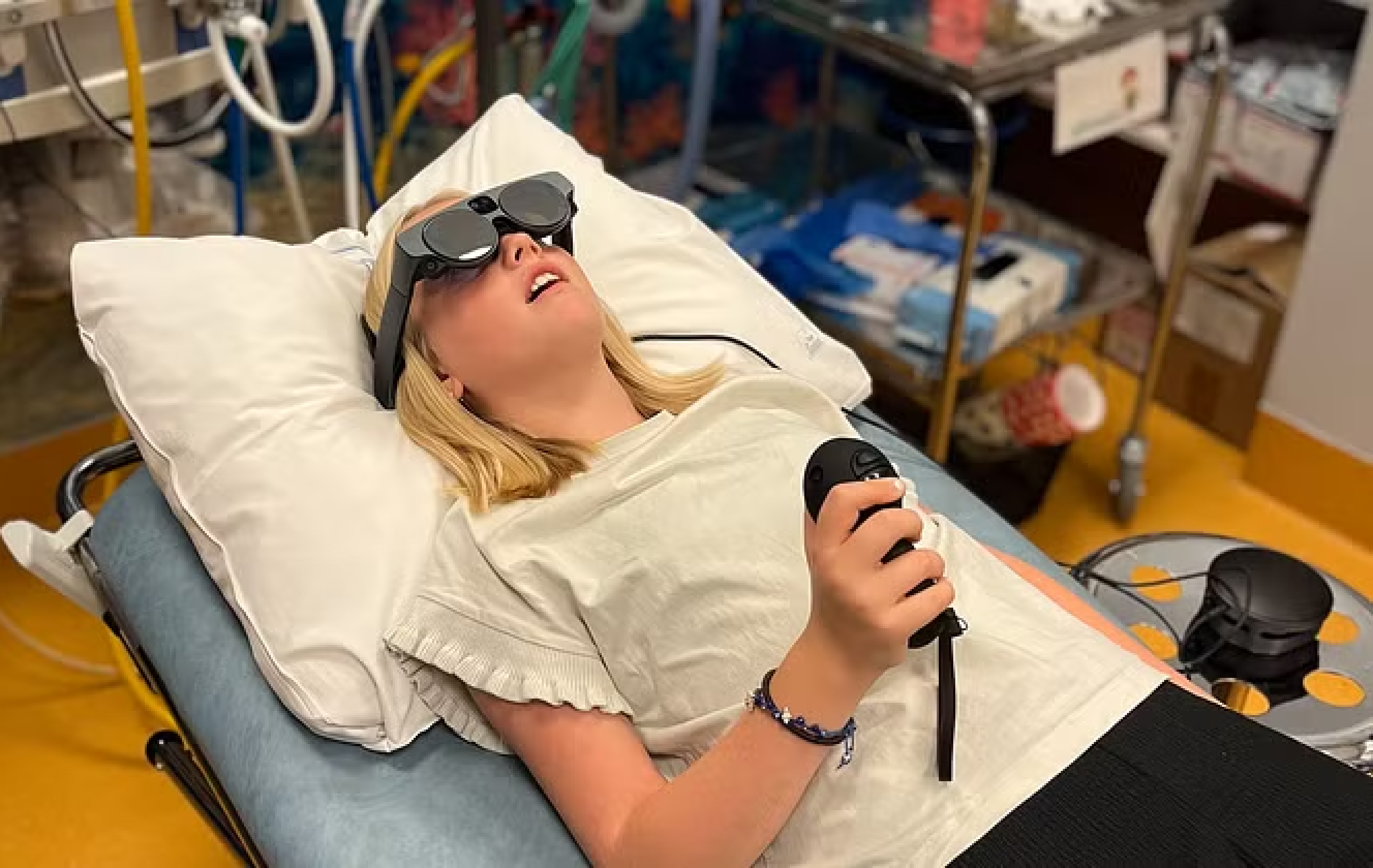
My strategy leverages Divertini’s existing AR technology to bridge the gap between digital comfort and clinical reality. When a child enters the treatment room, they meet Migo again, not on a phone, but through AR glasses.
In this setting, Migo becomes a "digital companion" who:
Leads calming breathing exercises.
Rewards cooperation with encouraging feedback.
Distracts the patient during invasive procedures like injections.
I believe that continuity is the key to comfort. By bringing a familiar character into the medical setting, we turn a frightening procedure into a predictable and safe journey for the child.
Connection with AR-glasses
My strategy leverages Divertini’s existing AR technology to bridge the gap between digital comfort and clinical reality. When a child enters the treatment room, they meet Migo again, not on a phone, but through AR glasses.
In this setting, Migo becomes a "digital companion" who:
Leads calming breathing exercises.
Rewards cooperation with encouraging feedback.
Distracts the patient during invasive procedures like injections.
I believe that continuity is the key to comfort. By bringing a familiar character into the medical setting, we turn a frightening procedure into a predictable and safe journey for the child.
Brand colors
By strictly adhering to the original brand guidelines—specifically the color palette and typography—I ensured that the new concept remains deeply rooted in Divertini’s established identity. Integrating the logo and signature brand colors allows users to feel an immediate sense of familiarity and trust.
Light
HEX: 8bd0c0
RBG: 138,208,192
CMYR: 45,0,30,0
Bright
HEX: FFF1D0
RBG: 255,241,208
CMYR: 0,4,20,0
Dark
HEX: 005959
RBG: 0,89,89
CMYR: 100,0,41,60
Night
HEX: 00201d
RBG: 0,32,29
CMYR: 84,60,68,76
ABCDEFGHIJKLMNOPQRSTUVXYZÅÄÖ
abcdefghojklmnopqrstuvxyzåäö
.:;!?”#¤%&/()=><{{[]}€£$@
1234567890
Font used: Laca
Aa
Typography
Logo
Icons
Brand colors
By strictly adhering to the original brand guidelines—specifically the color palette and typography—I ensured that the new concept remains deeply rooted in Divertini’s established identity. Integrating the logo and signature brand colors allows users to feel an immediate sense of familiarity and trust.
Light
HEX: 8bd0c0
RBG: 138,208,192
CMYR: 45,0,30,0
Bright
HEX: FFF1D0
RBG: 255,241,208
CMYR: 0,4,20,0
Dark
HEX: 005959
RBG: 0,89,89
CMYR: 100,0,41,60
Night
HEX: 00201d
RBG: 0,32,29
CMYR: 84,60,68,76
Light
HEX: 8bd0c0
RBG: 138,208,192
CMYR: 45,0,30,0
Bright
HEX: FFF1D0
RBG: 255,241,208
CMYR: 0,4,20,0
Dark
HEX: 005959
RBG: 0,89,89
CMYR: 100,0,41,60
Night
HEX: 00201d
RBG: 0,32,29
CMYR: 84,60,68,76
Brand colors
By strictly adhering to the original brand guidelines, specifically the color palette and typography, I ensured that the new concept remains deeply rooted in Divertini’s established identity. Integrating the logo and signature brand colors allows users to feel an immediate sense of familiarity and trust.
ABCDEFGHIJKLMNOPQRSTUVXYZÅÄÖ
abcdefghojklmnopqrstuvxyzåäö
.:;!?”#¤%&/()=><{{[]}€£$@ 1234567890
Font used: Laca
Aa
Typography
ABCDEFGHIJKLMNOPQRSTUVXYZÅÄÖ abcdefghojklmnopqrstuvxyzåäö
.:;!?”#¤%&/()=><{{[]}€ $@ 1234567890
Typography
Font used: Laca
Aa
Logo
Logo
Icons
Icons
Result & Impact
After testing the concept with children and caregivers, followed by a pitching presentation to Divertini, the feedback confirmed my belief that this solution could scale significantly. By offering a much more cost-effective alternative to AR glasses, the app makes the experience financially accessible for healthcare providers, moving it closer to becoming a clinical standard.
Check out the promotional site I created for this project here →
Result & Impact
After testing the concept with children and caregivers, followed by a pitching presentation to Divertini, the feedback confirmed my belief that this solution could scale significantly. By offering a much more cost-effective alternative to AR glasses, the app makes the experience financially accessible for healthcare providers, moving it closer to becoming a clinical standard.
Check out the promotional site I created for this project here →
Result & Impact
After testing the concept with children and caregivers, followed by a pitching presentation to Divertini, the feedback confirmed my belief that this solution could scale significantly. By offering a much more cost-effective alternative to AR glasses, the app makes the experience financially accessible for healthcare providers, moving it closer to becoming a clinical standard.
Check out the promotional site I created for this project here →

Enhanced parent
satisfaction
Smoother procedures and improved cooperation
Reduced visible distress in
young patients
Strengthened patient-centered care branding
Scalable across clinics and departments
Reduced visible distress in young patients
Smoother procedures and improved cooperation
Strengthened patient-centered care branding
Enhanced parent satisfaction
Reflection and Key Takeaways
Business-Driven Design: I learned that design must solve financial barriers. By adding a mobile tier, I transformed a high-cost hardware product into a viable, "easy-to-pilot" solution for stakeholders.
Service Ecosystem Thinking: I shifted from designing "screens" to designing a "service." Connecting the waiting room (Mobile) to the treatment room (AR) ensured a seamless emotional transition for the child.
Pragmatic Innovation: This project taught me to balance deep empathy for vulnerable users with the technical and budgetary constraints of a complex healthcare system.
Reflection and Key Takeaways
Business-Driven Design: I learned that design must solve financial barriers. By adding a mobile tier, I transformed a high-cost hardware product into a viable, "easy-to-pilot" solution for stakeholders.
Service Ecosystem Thinking: I shifted from designing "screens" to designing a "service." Connecting the waiting room (Mobile) to the treatment room (AR) ensured a seamless emotional transition for the child.
Pragmatic Innovation: This project taught me to balance deep empathy for vulnerable users with the technical and budgetary constraints of a complex healthcare system.
Reflection and Key Takeaways
Business-Driven Design: I learned that design must solve financial barriers. By adding a mobile tier, I transformed a high-cost hardware product into a viable, "easy-to-pilot" solution for stakeholders.
Service Ecosystem Thinking: I shifted from designing "screens" to designing a "service." Connecting the waiting room (Mobile) to the treatment room (AR) ensured a seamless emotional transition for the child.
Pragmatic Innovation: This project taught me to balance deep empathy for vulnerable users with the technical and budgetary constraints of a complex healthcare system.
Smoother procedures and improved cooperation
Reduced visible distress in
young patients
Enhanced parent
satisfaction
Strengthened patient-centered care branding
Scalable across clinics and departments
zinnié
© 2026 zinnie. Curated with intent.
zinnié
© 2026 zinnie. Curated with intent.